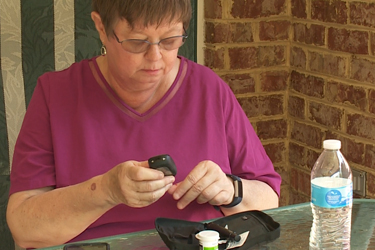
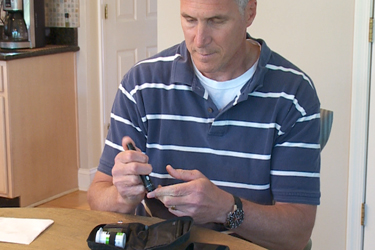
Find out why hypoglycemia, or low blood glucose, is dangerous; the symptoms you should look out for, and learn what you can do to avoid it.
Learn what to do when you experience the symptoms of hypoglycemia.
See why hyperglycemia, or high blood glucose, is dangerous; the symptoms you should look out for, and some important strategies to avoid it.
Watch how plaque build-up within large blood vessels reduces blood flow to your heart and extremities.
Learn how diabetes can cause poor blood flow to small vessels throughout your body, and the importance of helping prevent potential blindness and kidney disease.
Understand the cause and symptoms of nerve disease. Know what symptoms to look for in your hands, feet and other organs, to be able to tell your healthcare team immediately.
Learn some tips on how to manage and organize your medications, and the importance of telling your healthcare provider about any side effects you may be experiencing.
Type 2 Diabetes can lead to long-term complications. You can take an active role in your health by getting screened for any complications of diabetes early on before they are major health issues.
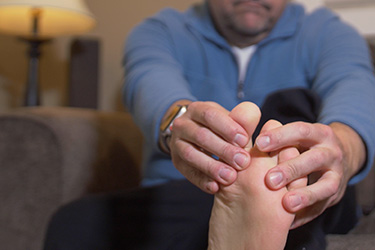
Watch this to learn how to keep your skin and feet healthy when you have diabetes.
Follow this checklist for tips on how to protect your feet every day.
Watch this to learn why regular skin and foot exams are important when you have diabetes.
Learn how the physical stress caused by illness and an injury can cause your glucose level to rise.
Understand how preparing a sick day plan, while you are healthy, can help you manage your diabetes on days which you are ill.
Watch this to help understand how you can prepare for sick days and continue to manage your diabetes.